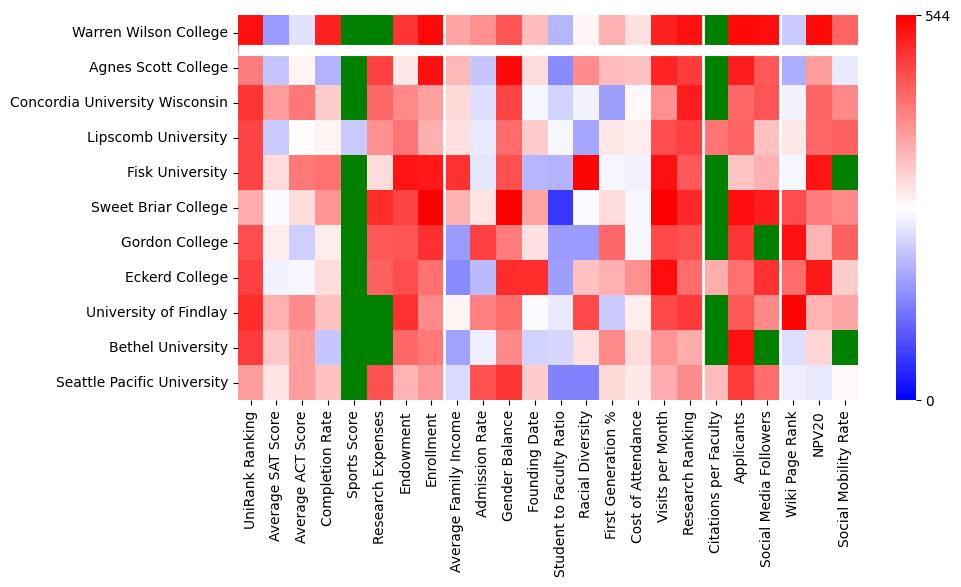
Warren Wilson College, founded in 1894, is a private liberal arts college located in Swannanoa, North Carolina. Originally established as the Asheville Farm School by Presbyterian missionaries, the institution has evolved significantly over the years. In 1967, it became a four-year college and adopted its current name. Nestled in the Blue Ridge Mountains, the college spans 1,135 acres, providing a picturesque and serene setting for its community. The college is recognized for its commitment to sustainability and social responsibility, emphasizing a triad of academics, work, and service as the core of its educational philosophy.
What sets Warren Wilson College apart is its distinctive approach to education, known as the Work Program, which requires all students to participate in campus jobs, contributing to the college's operations and sustainability efforts. This experiential learning model not only helps students gain practical skills but also fosters a strong sense of community and shared responsibility. The college's dedication to environmental stewardship is further exemplified by its organic farm and garden, which supply food to the campus and serve as hands-on learning laboratories. Additionally, Warren Wilson's focus on social justice and community engagement resonates with students who are committed to making a positive impact in the world.
Academically, Warren Wilson offers a robust selection of undergraduate programs with a strong emphasis on the liberal arts. The college is known for its environmental studies program, which integrates science with policy and ethics, preparing students for careers in conservation, advocacy, and sustainable development. Creative writing is another standout program, attracting aspiring writers to its supportive and collaborative environment. Warren Wilson's small class sizes and personalized attention from faculty ensure that students receive a high-quality education tailored to their interests and goals.
While Warren Wilson College provides a unique and enriching educational experience, it does face some challenges. The college's small size, with just over 700 students, can limit the variety of courses and extracurricular activities available compared to larger institutions. Additionally, the rural location, while offering natural beauty and tranquility, may not appeal to students seeking a more urban or bustling college experience. Financial aid, while available, may not fully cover the costs for all students, making it a consideration for prospective attendees. Despite these challenges, Warren Wilson remains a compelling choice for students drawn to its mission-driven approach and commitment to sustainability and social change.