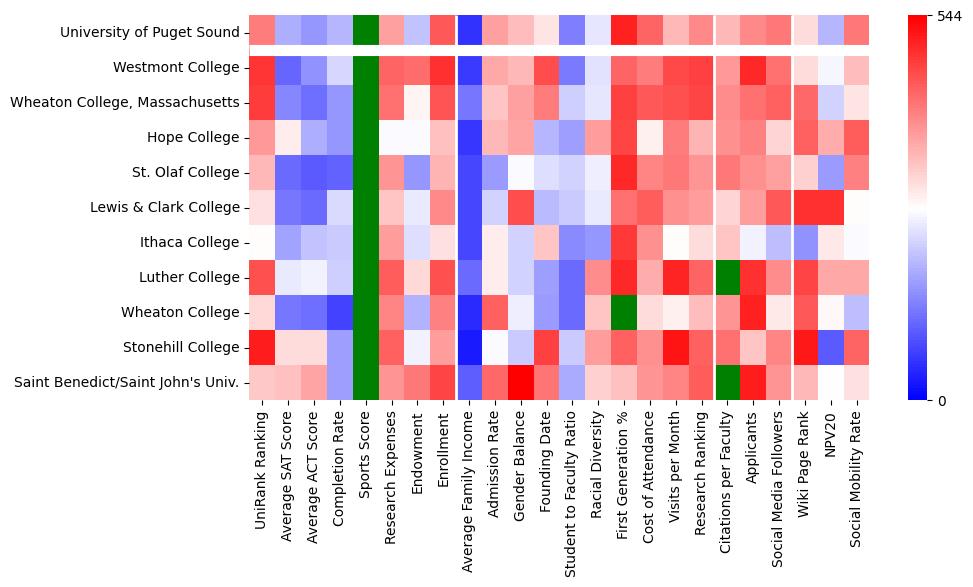
The University of Puget Sound, founded in 1888, is a private liberal arts college located in Tacoma, Washington. Originally established by the United Methodist Church, it has since become an independent institution, known for its picturesque 97-acre campus nestled in the heart of the Pacific Northwest. The university has maintained a steady commitment to cultivating a tight-knit community, fostering an environment where students can pursue intellectual and personal growth supported by a diverse range of academic and extracurricular offerings.
What sets the University of Puget Sound apart is its emphasis on experiential learning and the integration of sustainability into campus life. The university prides itself on being a leader in environmental stewardship, with initiatives such as the LEED Gold-certified science center and a campus-wide commitment to reducing carbon emissions. The school’s location provides students with unique opportunities for outdoor education and recreation, from the nearby Mount Rainier National Park to the Puget Sound itself, promoting a lifestyle that balances academics with a love for the natural world.
Academically, the University of Puget Sound is well-regarded for its rigorous liberal arts curriculum and personalized approach to education, with a student-to-faculty ratio of 11:1. This allows for intimate classroom settings and close mentorship opportunities. The university offers more than 50 areas of study, with particularly strong programs in biology, psychology, and business leadership. The School of Music is also notable, providing students with comprehensive training in both performance and music education. Furthermore, the university’s emphasis on undergraduate research enables students to engage in projects that often lead to conference presentations and publications.
Despite its many strengths, the University of Puget Sound faces challenges common to many small liberal arts colleges, such as the high cost of tuition, which can be a barrier for prospective students. While financial aid is available, some students find that it does not fully offset the expenses. Additionally, the campus has been working on improving diversity and inclusion, aiming to better reflect the demographics of the broader society. Efforts are ongoing, but progress has been gradual. Nonetheless, the university continues to strive towards creating a more inclusive environment for all its students.