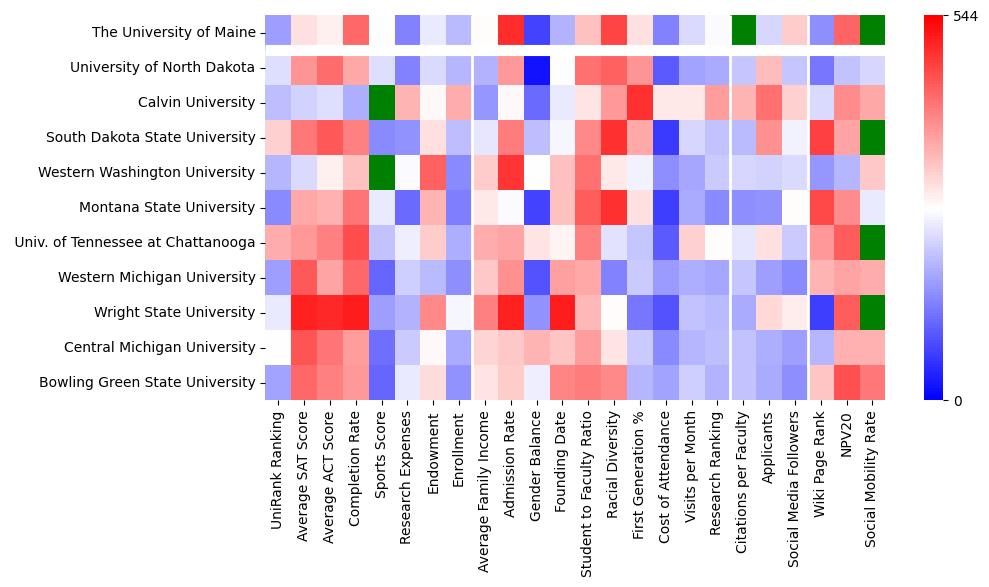
The University of Maine, established in 1865, is the flagship institution of the University of Maine System and is located in the town of Orono. Originally founded as a land-grant college under the Morrill Act, it has evolved into a comprehensive university offering a wide range of undergraduate and graduate programs. Nestled in a picturesque setting along the Stillwater River, the campus spans 660 acres and offers a blend of historic and modern facilities. The university’s commitment to research, innovation, and public service is evident in its diverse offerings and partnerships.
What sets the University of Maine apart is its strong connection to the state and its emphasis on research that benefits local communities and industries. As Maine's only land, sea, and space grant institution, it plays a crucial role in addressing regional challenges, particularly in areas like sustainability, climate change, and marine sciences. The university's Advanced Structures and Composites Center, for example, is renowned for its work in developing sustainable materials and technologies. The campus prides itself on fostering a close-knit community that values collaboration and engagement, offering students a unique opportunity to work closely with faculty on meaningful projects.
Academically, the University of Maine is well-regarded for its programs in engineering, marine sciences, and environmental studies. Its College of Engineering is particularly noteworthy, offering cutting-edge research opportunities and facilities. The School of Marine Sciences is another highlight, providing students with access to the Gulf of Maine and opportunities for hands-on research in one of the country’s most diverse marine environments. In recent years, the university has also expanded its offerings in business, education, and health sciences, reflecting its commitment to evolving alongside the needs of its students and the workforce.
Despite its strengths, the University of Maine faces challenges typical of many public universities, including fluctuating state funding which can impact resources and facilities. While the campus is undeniably beautiful, some of its buildings are in need of renovation and modernization to better serve the needs of 21st-century learners. Additionally, the university's location, while idyllic, can be somewhat remote, which may limit access to certain cultural and professional opportunities that are more readily available in urban settings. However, the university's strong community ties and comprehensive support services help mitigate these challenges, making it a compelling choice for many students.